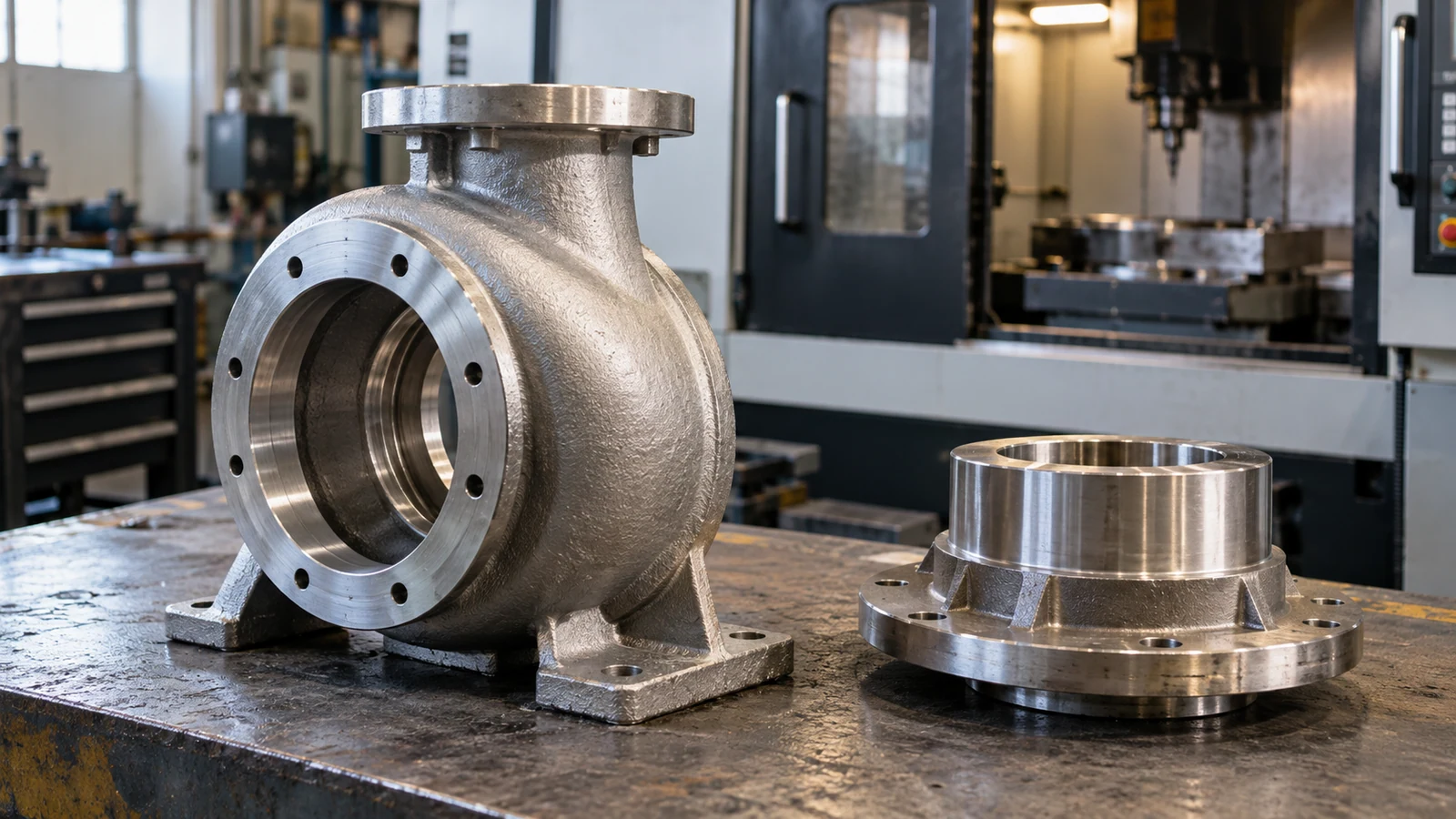
Duplex 2205 vs 316L for Pump Parts: When Does the Upgrade Pay?
Evaluate 2205 and 316L pump parts by chloride exposure, component geometry, product form, welding, machining, and the cost of a repeat maintenance intervention.
Read technical insight →Insight category
Material Guides for mechanical seal, industrial component, inspection, and manufacturing decisions by international OEM, MRO, and procurement teams.
Latest analysis
Page 1 of 1

Evaluate 2205 and 316L pump parts by chloride exposure, component geometry, product form, welding, machining, and the cost of a repeat maintenance intervention.
Read technical insight →
Choose slurry-pump seal faces by abrasion, impact, chemical exposure, lubrication, and material grade, including the role of carbide binders and face pairing.

Document chemical pump seal material compatibility assumptions for faces, elastomers, metals, gaskets, and support fluids using real process and cleaning conditions.

Compare carburizing, nitriding, and through-hardening for industrial gears, sprockets, and shafts, with RFQ inputs for hardness, case depth, and testing.

Review where 42CrMo alloy steel may fit gears, shafts, sprockets, and couplings, and which heat-treatment and verification details belong in the RFQ.

Compare austenitic, martensitic, and duplex stainless steels for industrial parts using corrosion, strength, fabrication, temperature, and lifecycle needs.
Send the operating data or part specification. We will confirm the information needed for an engineering review and quotation.