
agitator mechanical seal
Agitator & Reactor Mechanical Seals
Engineered seal arrangements for top-entry and side-entry mixers, agitators, and reactors based on vessel pressure, shaft movement, and process duty.
Engineering overview
Where Agitator & Reactor Seals fit—and what still needs review
Agitator and reactor seals operate on vessel shafts that may have greater runout, axial movement, and structural deflection than a pump shaft. Top-entry or side-entry orientation, vapor or liquid service, pressure and vacuum cycles, cleaning steps, batch contamination limits, and maintenance access all affect the arrangement.
The seal should be reviewed as part of the vessel system. Bearing location, coupling, shaft support, nozzle or mounting flange, available installation height, barrier or buffer utilities, and safe leakage handling belong in the same technical package.
- Buyer objective
- New equipment integration, reactor maintenance, leakage control, and replacement of application-specific sealing assemblies.
- Typical equipment
- Chemical reactors · Mixing vessels · Fermentation equipment · Pulp and paper agitators
Technical selection
Agitator and reactor seal design inputs
Define the vessel, shaft behavior, batch process, and utilities before choosing a single or double arrangement.
| Decision area | Engineering guidance | Evidence for the RFQ |
|---|---|---|
| Shaft movement | Runout, radial displacement, axial movement, and vessel deflection influence the seal and bearing arrangement. | Shaft drawing, bearing span, measured movement |
| Pressure and vacuum | Include charging, reaction, discharge, cleaning, and vacuum stages, not only steady operation. | Complete batch pressure profile |
| Product and contamination | Review toxicity, crystallization, polymerization, sterility, solids, and allowable leakage direction. | Process description and cleaning media |
| Mounting and access | Confirm top or side entry, flange dimensions, installation height, lifting space, and maintenance route. | Vessel general arrangement and nozzle detail |
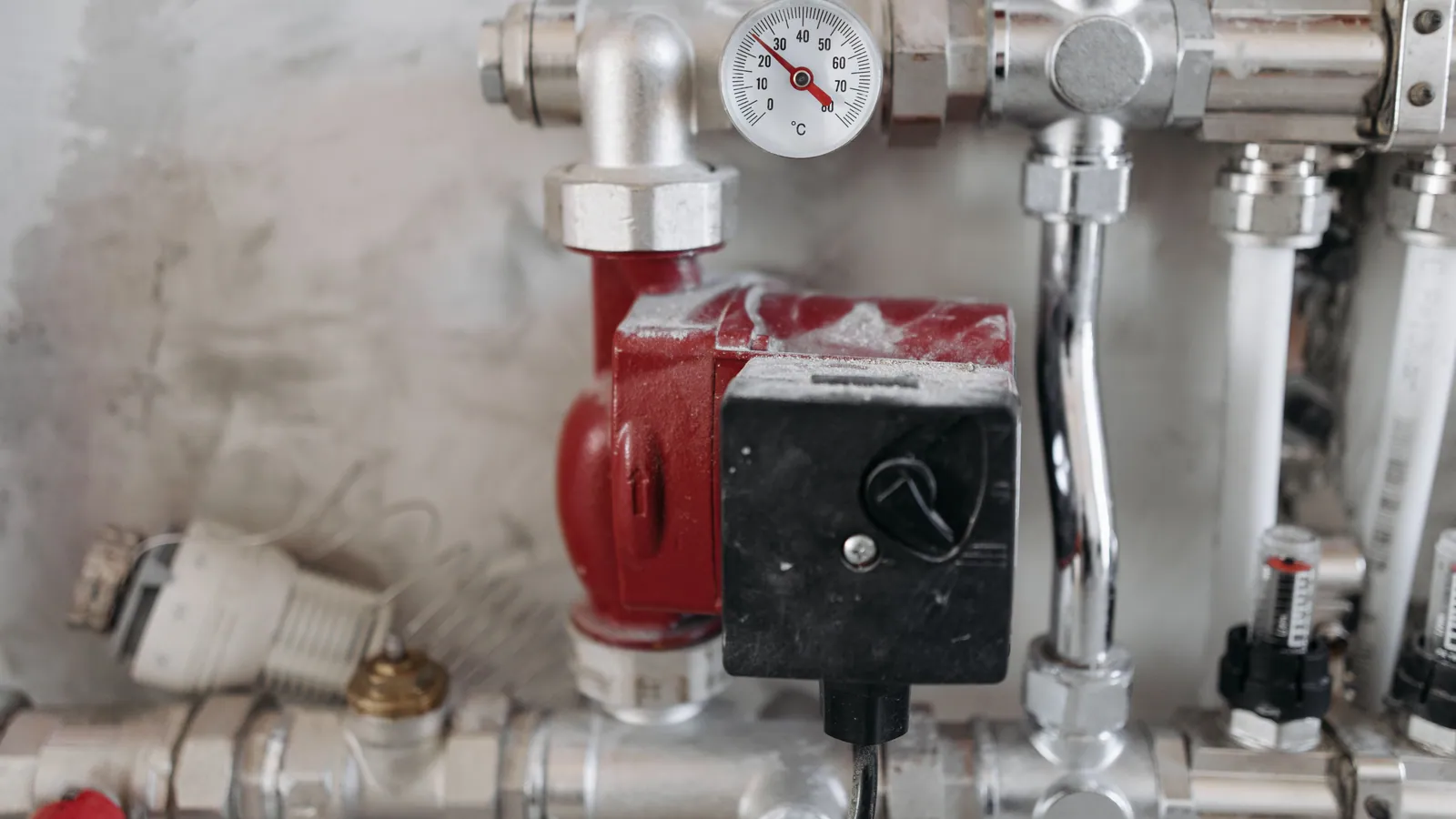
A product reference identifies the seal. The operating duty, interfaces, materials, and acceptance records define the supply scope.
Project sequence
From identification to a controlled supply scope
- 01
Define the vessel cycle
Map fill, mixing, reaction, vacuum, discharge, clean-in-place, and shutdown states.
- 02
Quantify shaft behavior
Provide diameter, speed, runout, axial movement, bearing location, and mixer loading.
- 03
Select the arrangement
Review single, double, dry-running, wet-running, and support-system implications.
- 04
Plan installation
Confirm mounting, alignment, lifting, piping, instrumentation, commissioning, and spare strategy.
Inspection focus
Release points to define before ordering
- Q1Mounting flange, shaft centerline, and installation envelope
- Q2Runout and movement assumptions recorded on the approved scope
- Q3Barrier/buffer connection schedule and instrument identification
- Q4Assembly leakage test and installation documentation
Related mechanical seal families
Relevant industry applications
Frequently Asked Questions
How do I request a quote for agitator & reactor mechanical seals?+
Send top or side entry, shaft diameter and runout, vessel pressure and vacuum, agitator speed, barrier or buffer system requirements, plus the required quantity and delivery destination. A drawing, nameplate photo, seal code, or sample is useful when available.
Can agitator & reactor mechanical seals be made from an existing sample?+
A usable sample can support dimensional review, but the operating duty and required materials are still needed. A sample alone does not confirm chemical, pressure, temperature, or speed suitability.
What documents can be requested with an order?+
State the required material, dimensional, test, inspection, marking, packing, and certificate documents in the RFQ. Availability and scope should be confirmed in the quotation before the order is placed.
Long-tail buying intent
More ways buyers describe agitator & reactor seals
These search phrases describe common variations of the same buying requirement. Final selection still depends on the drawing, equipment, duty, and order scope.
- 01top entry agitator mechanical seal
- 02reactor mechanical seal manufacturer
- 03mixer shaft mechanical seal supplier
- 04side entry agitator seal replacement
- 05mechanical seal for chemical mixing vessel
- 06agitator seal for vacuum and pressure service
- 07double mechanical seal for reactor
- 08custom agitator seal from equipment drawing
Have a Pump Model, Drawing, or Sample?
Send the operating data or part specification. We will confirm the information needed for an engineering review and quotation.