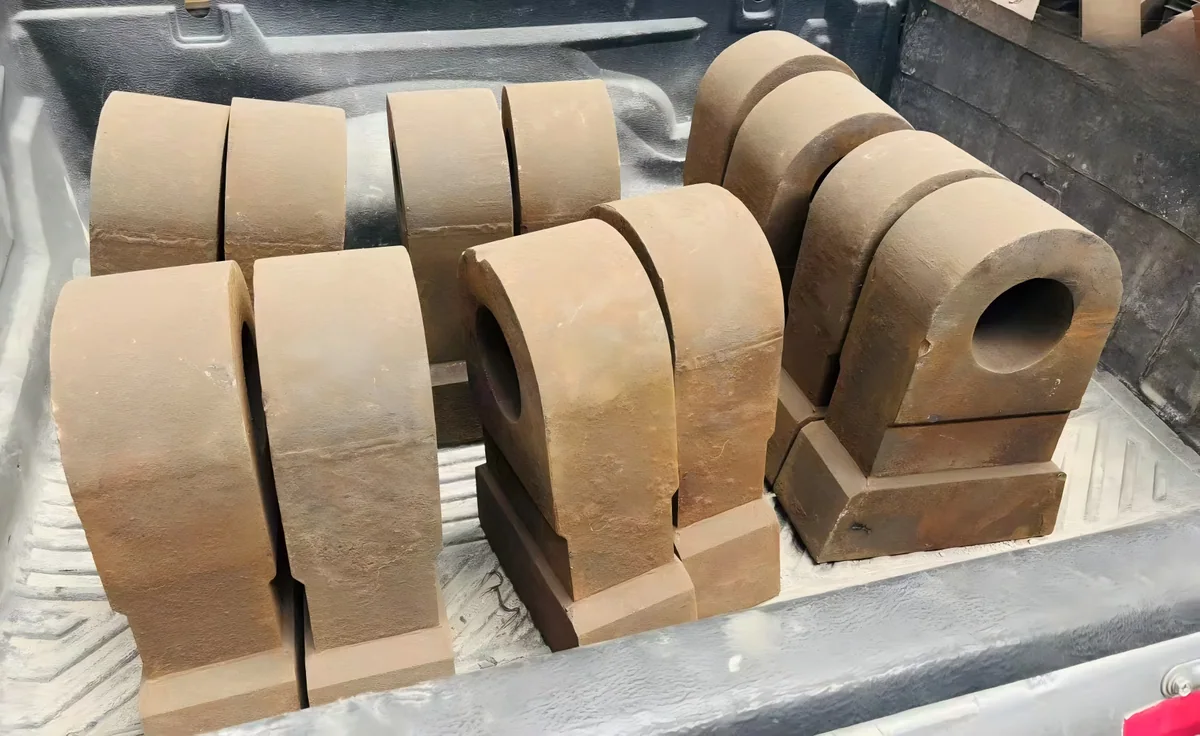
industrial machinery parts
Industrial Replacement Parts
Build-to-print and build-to-sample replacement parts for chemical processing, power generation, steel and paper mills, mining, and heavy equipment.
Send Drawing for ReviewCapability overview
How this manufacturing scope is defined
Industrial replacement parts often begin with incomplete information: a worn sample, an old drawing, a machine manual, site measurements, or a part number no longer supported. The first task is to identify which features are original, which are worn, and which interfaces control fit and function.
Operating history adds the missing design context. Load, speed, impact, abrasion, corrosion, heat, alignment, lubrication, and previous failure mode guide material and process review before a repeatable replacement reference is created.
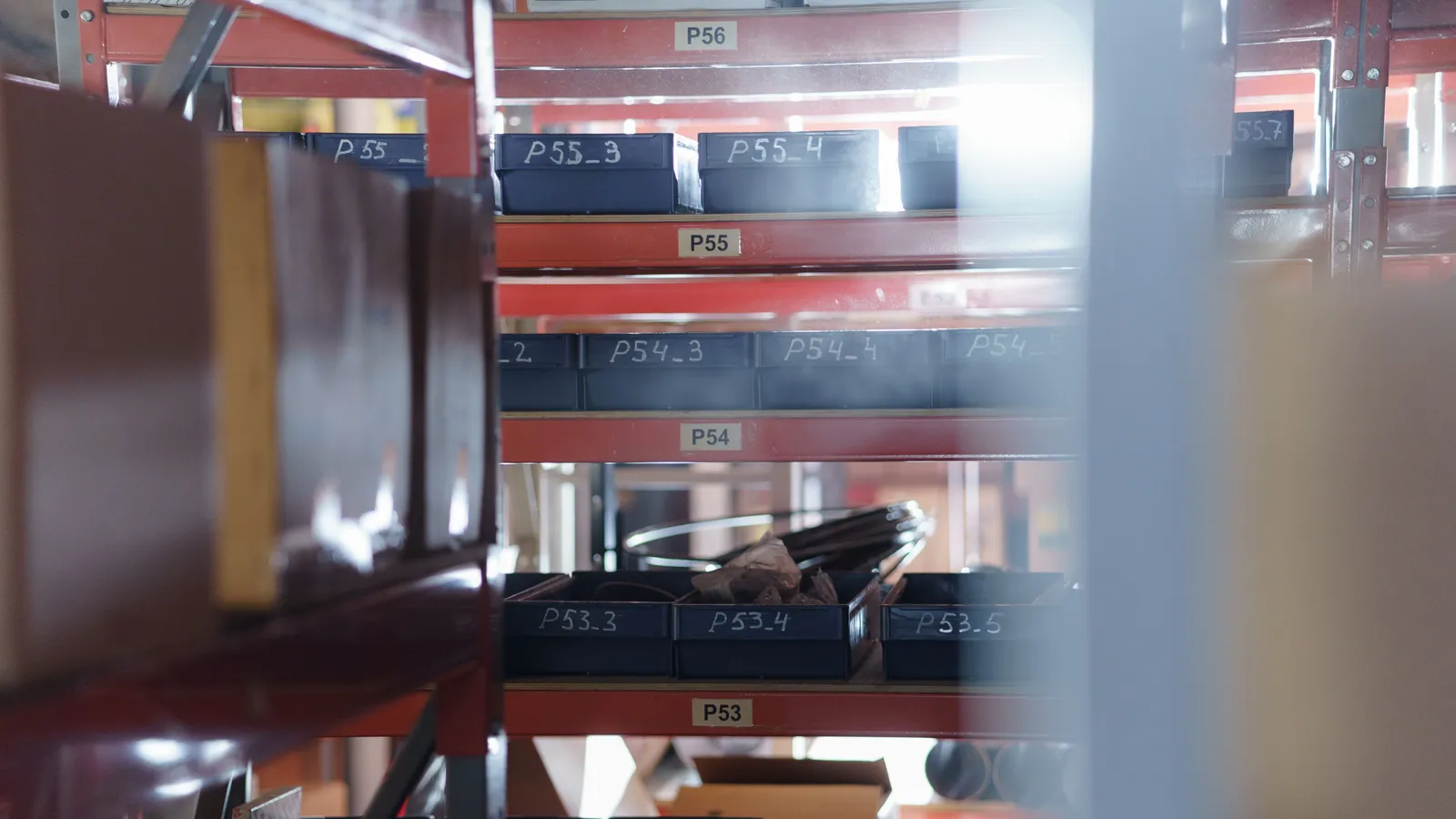

Large replacement component · MRO inventory and identification · Installed condition and failure review
Manufacturing scope
Processes and component families
Chemical & Process Equipment Parts
Pump, valve, agitator, piping, and corrosion-service components reviewed against operating data.
Power Generation Parts
Drawing-controlled replacement components for balance-of-plant and rotating equipment applications.
Steel, Paper & Mining Parts
Wear parts, rollers, shafts, liners, gears, and structural components for continuous-process equipment.
Technical definition
Legacy and MRO replacement review
Combine physical evidence with equipment and service data so a worn condition is not copied into the new part.
| Review area | Manufacturing guidance | RFQ input |
|---|---|---|
| Reference quality | Rank OEM drawing, revised site drawing, sample, manual, photos, and measured data by reliability. | Every available source with revision and origin |
| Wear allowance | Identify lost surfaces, corrosion, cracks, deformation, field repair, and mating-part condition. | Failure photos, service hours, mating measurements |
| Material and process | Use chemistry, hardness, microstructure, coating, and service data to define the replacement condition. | Existing reports, sample-test permission, duty data |
| Interchangeability | Control mounting, shaft, bore, bolt, key, seal, gear, and alignment interfaces. | Critical fit list and approval dimensions |
Production sequence
A controlled route from RFQ to release
- 01
Inspect the reference
Document markings, condition, wear, repairs, fractures, dimensions, and mating parts.
- 02
Reconstruct nominal geometry
Use symmetry, unworn areas, equipment data, and engineering review to flag assumptions.
- 03
Select the process route
Choose casting, forging, machining, fabrication, coating, and heat treatment.
- 04
Approve and catalogue
Inspect first article, record deviations, issue a replacement code, and retain revision history.
Inspection and documentation
Release points to include in the order
- Q1Assumption register for dimensions recovered from worn parts
- Q2Material verification and approved replacement condition
- Q3First-article fit and critical dimension report
- Q4Permanent identification and repeat-order revision control
Long-tail buying intent
Buyer searches related to industrial replacement parts
These search phrases describe common variations of the same buying requirement. Final selection still depends on the drawing, equipment, duty, and order scope.
- 01industrial machinery replacement parts supplier
- 02obsolete industrial spare parts manufacturer
- 03custom MRO parts from worn sample
- 04steel mill spare parts manufacturer
- 05paper mill replacement parts supplier
- 06mining equipment spare parts manufacturer
- 07chemical plant replacement components
- 08legacy equipment parts reverse engineering
Relevant industry applications
Frequently Asked Questions
What should I include in a industrial replacement parts RFQ?+
Include the controlled drawing and revision, material grade, quantity, critical dimensions and tolerances, process or heat-treatment requirements, inspection and documentation scope, destination, and required delivery date.
Can you review an existing component sample?+
A suitable sample can support dimensional capture and process planning. The buyer should also provide operating context, required material, acceptance criteria, and any dimensions that cannot be reliably recovered from a worn part.
How are inspection and certification requirements handled?+
State every required certificate, test, NDT method, dimensional report, witness point, marking, and packing requirement in the RFQ. The quotation should identify what is included, what is optional, and any open assumptions.
Need a Mechanical Seal or Build-to-Print Part?
Send the pump model, duty data, drawing, or sample information for a focused technical and commercial review.