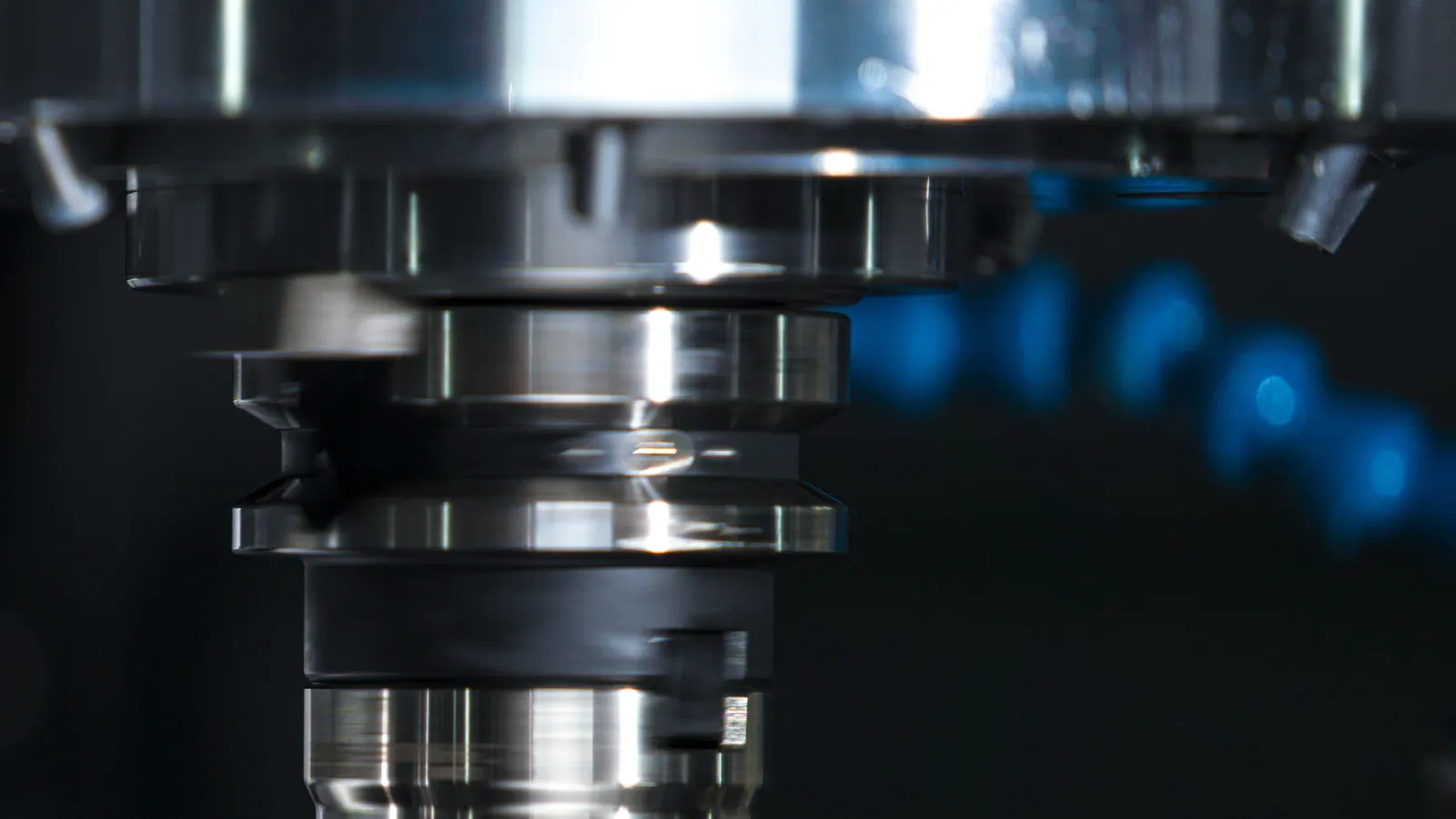
custom machinery parts
Custom Machinery Parts Manufacturing
Build-to-print manufacturing from 2D drawings, 3D models, or qualified samples, combining casting, machining, fabrication, finishing, and inspection as required.
Send Drawing for ReviewCapability overview
How this manufacturing scope is defined
Build-to-print manufacturing coordinates the processes needed to turn a controlled design into a finished industrial component. The scope may combine material sourcing, casting or forging, machining, fabrication, heat treatment, coating, assembly, testing, documentation, and export packing.
The most useful RFQ distinguishes fixed requirements from areas where the supplier may propose alternatives. Critical dimensions, functional interfaces, material properties, inspection records, annual volume, target lead time, and approval stages should be visible before process planning starts.
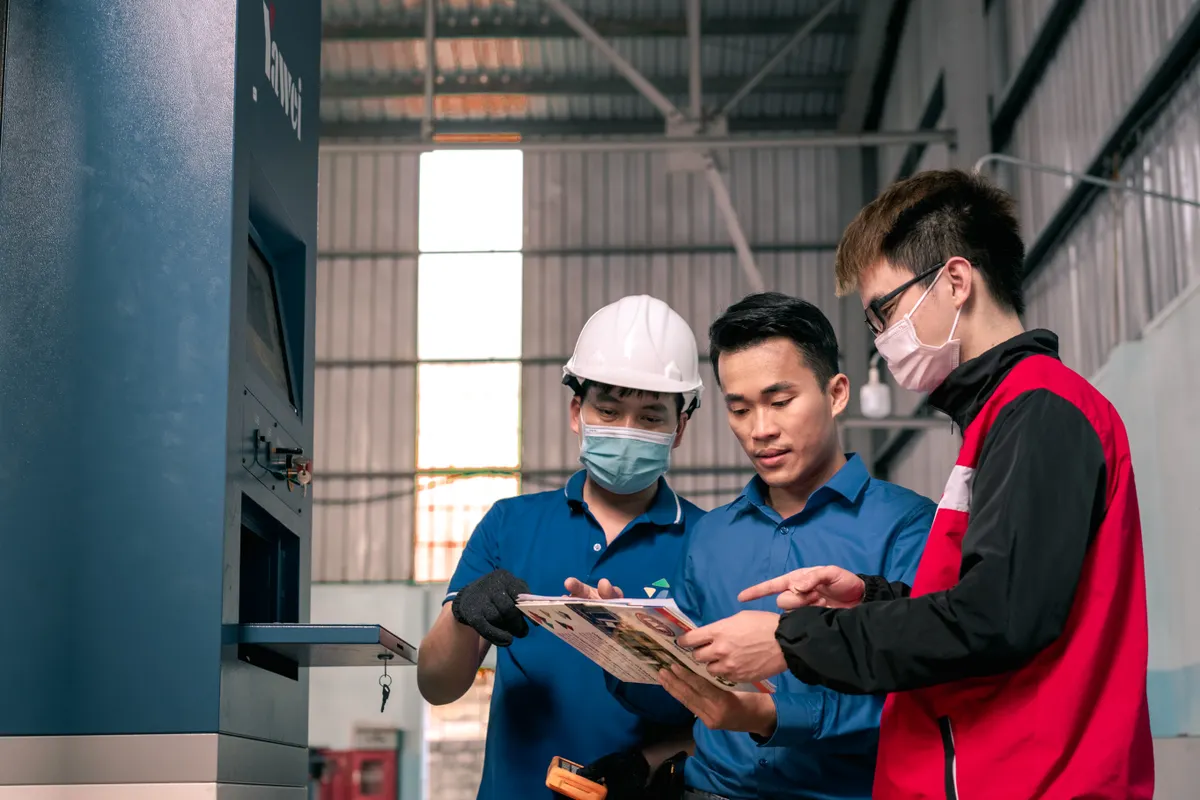
Precision machining · DFM and technical review · First-article verification
Manufacturing scope
Processes and component families
CNC Machining
Turning, milling, boring, drilling, and finishing for drawing-controlled industrial components.
Welding & Fabrication
Cut, form, weld, machine, and finish workflows for industrial assemblies.
Reverse Engineering
Dimensional capture and material verification planning for legacy or obsolete parts.
Assembly & Testing
Subassembly, fit checks, pressure testing, and documentation when included in the order specification.
Technical definition
Build-to-print project definition
A clear requirement hierarchy reduces quotation assumptions and prevents uncontrolled changes between prototype and production.
| Review area | Manufacturing guidance | RFQ input |
|---|---|---|
| Design authority | Identify customer-controlled features, supplier-proposal areas, applicable standards, and deviation approval. | Drawing register and technical query contact |
| Manufacturing route | Review make-from-solid, casting, forging, fabrication, machining, finishing, and assembly options. | Quantity, geometry, material, target cost, schedule |
| Critical characteristics | Mark fit, sealing, alignment, load, balance, surface, heat-treatment, and cosmetic requirements. | Ballooned drawing or critical-feature list |
| Approval and change control | Define first article, sample approval, concession, revision, requalification, and repeat-order records. | Approval plan and required document package |
Production sequence
A controlled route from RFQ to release
- 01
RFQ completeness review
Resolve drawings, revisions, material, quantity, standards, acceptance, and delivery.
- 02
DFM and route planning
Document manufacturing questions, proposed processes, tooling, inspection, and open assumptions.
- 03
Prototype or first article
Produce, inspect, report deviations, and obtain approval against the controlled scope.
- 04
Production and repeat control
Freeze the route, manage changes, retain records, preserve, pack, and deliver.
Inspection and documentation
Release points to include in the order
- Q1Controlled drawing and technical-query register
- Q2Process route and outsourced-process traceability
- Q3First-article and critical-characteristic inspection
- Q4Revision, deviation, marking, packing, and repeat-order control
Long-tail buying intent
Buyer searches related to custom machinery parts manufacturing
These search phrases describe common variations of the same buying requirement. Final selection still depends on the drawing, equipment, duty, and order scope.
- 01custom machinery parts from 2D drawing
- 02custom metal parts manufacturer low volume
- 03build to print manufacturer for industrial OEM
- 04reverse engineering industrial parts from sample
- 05CNC machining casting and welding supplier
- 06prototype to production metal parts supplier
- 07custom equipment parts with inspection report
- 08one stop industrial component manufacturing
Relevant industry applications
Technical reading
Related capabilities
Precision & Steel Castings · Industrial Pipes, Fittings & Flanges · Industrial Gears & Transmission Parts
Frequently Asked Questions
What should I include in a custom machinery parts manufacturing RFQ?+
Include the controlled drawing and revision, material grade, quantity, critical dimensions and tolerances, process or heat-treatment requirements, inspection and documentation scope, destination, and required delivery date.
Can you review an existing component sample?+
A suitable sample can support dimensional capture and process planning. The buyer should also provide operating context, required material, acceptance criteria, and any dimensions that cannot be reliably recovered from a worn part.
How are inspection and certification requirements handled?+
State every required certificate, test, NDT method, dimensional report, witness point, marking, and packing requirement in the RFQ. The quotation should identify what is included, what is optional, and any open assumptions.
Need a Mechanical Seal or Build-to-Print Part?
Send the pump model, duty data, drawing, or sample information for a focused technical and commercial review.